
Videos
Reviews:
-
Watch this review on YouTube
While on the gameplay side the dungeon-crawling meets deckbuilding works nicely, the game’s creative direction (or lack thereof) makes it tougher to whole-heartedly appreciate
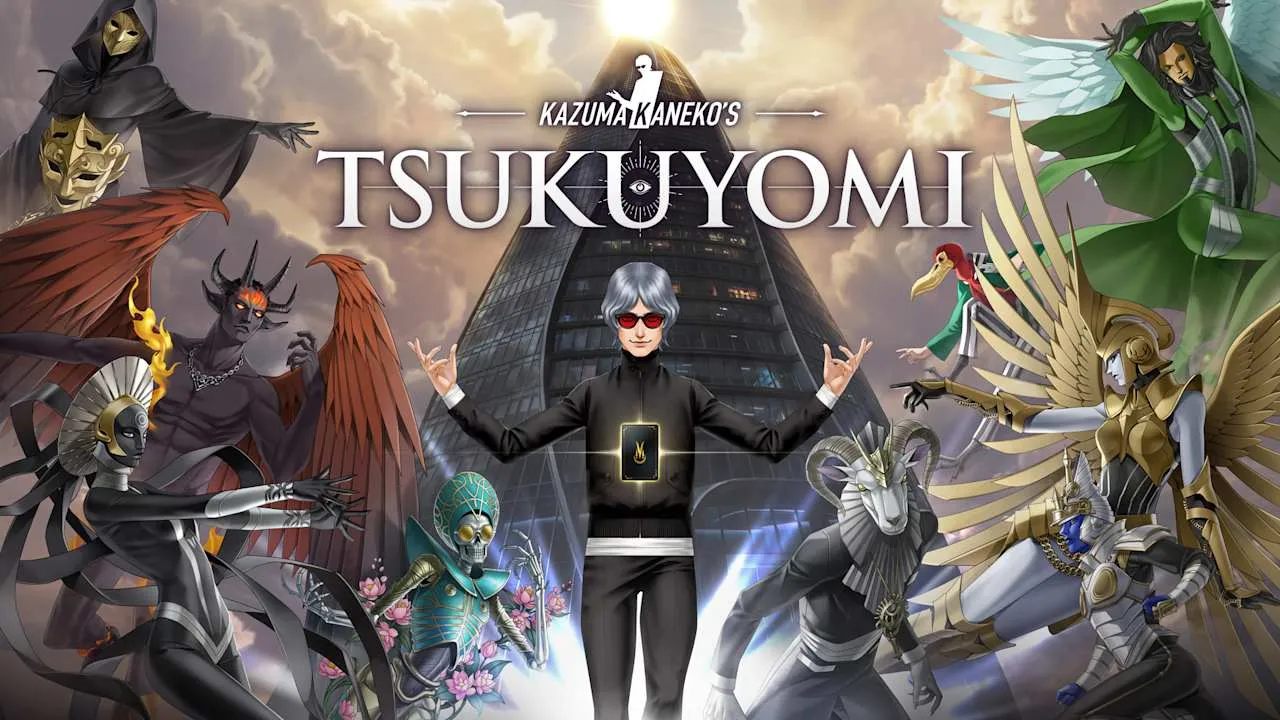
As we move further into an era where AI is continuing to become a more commonly-used tool, battle lines will inevitably be drawn for some gamers, and others may scarcely notice it or mind. The thing is, depending on how it is used, or how extensively, you could get very different results. From simply using it for voiceovers out of convenience or cost, still somewhat retaining creative control, to allowing for much deeper use in things like asset creation, scripting, or something more compromising, there are varying degrees for sure. Of late it hasn’t been uncommon to see developers use it to create title art, which doesn’t always come out great, but in the case of Tsukuyomi it’s unfortunately used far more extensively.Starting with the positive, while I’ll admit that once it was clear this had old-school dungeon-crawling elements as its base, it quickly managed to exceed my typical expectations for this subgenre. Yes, you’ll still be making your way through floors while tackling combat, a variety of events, and a periodic shop or other spot that will help you out. What helps it stand apart though is that the combat isn’t traditional and quite tired turn-based RPG fare, it’s instead more of a deckbuilder. While I do understand how some people may cringe at that thought, given how many roguelike deckbuilders there are out there, in this case I found it to be quite fresh overall. I appreciate how aside from choosing the cards you’ll use to attack, defend, or apply some buff, you’ll also have the ability to position cards that will directly act as defense against enemy strikes, and that small addition opens up an appreciated degree of strategy. Add in the fact that the further you go you’ll acquire cards that are more customized to compliment the general way you work your way through the dungeons, and there’s a bit more care here than what I’ve typically found for this style of game.Now, since it appears that the title tries to apply artistic flourishes to these custom cards, in part at your direction, I can see there being some room to get some artistic assistance for making all of that happen. Unfortunately, it doesn’t appear to stop there though, and as you begin to accumulate more of the cards in the game, the lack of consistency and general cohesion of a base art style between them starts to become apparent. How much this may bug you may vary wildly from person to person though, so that does make settling in on a general score for the game more difficult. Purely from a gameplay standpoint I’d say its hybrid style makes it a bit more interesting than average, even if not necessarily groundbreaking. But depending on how you feel about the artistic sins and inconsistencies within it may be disqualifying before it even gets out of the gate.
Justin Nation, Score:Good [7.5]